
AI for mines and plants,
from construction to operations
During construction, it’s tenders, contractors and thousands of documents. During start-up and stabilization, it’s pilot plant data, logs, certificates and shareholder reports. We take the manual work with all of that off your team’s hands at any stage: results in weeks, payback in months, with no platforms and no multi-year contracts.
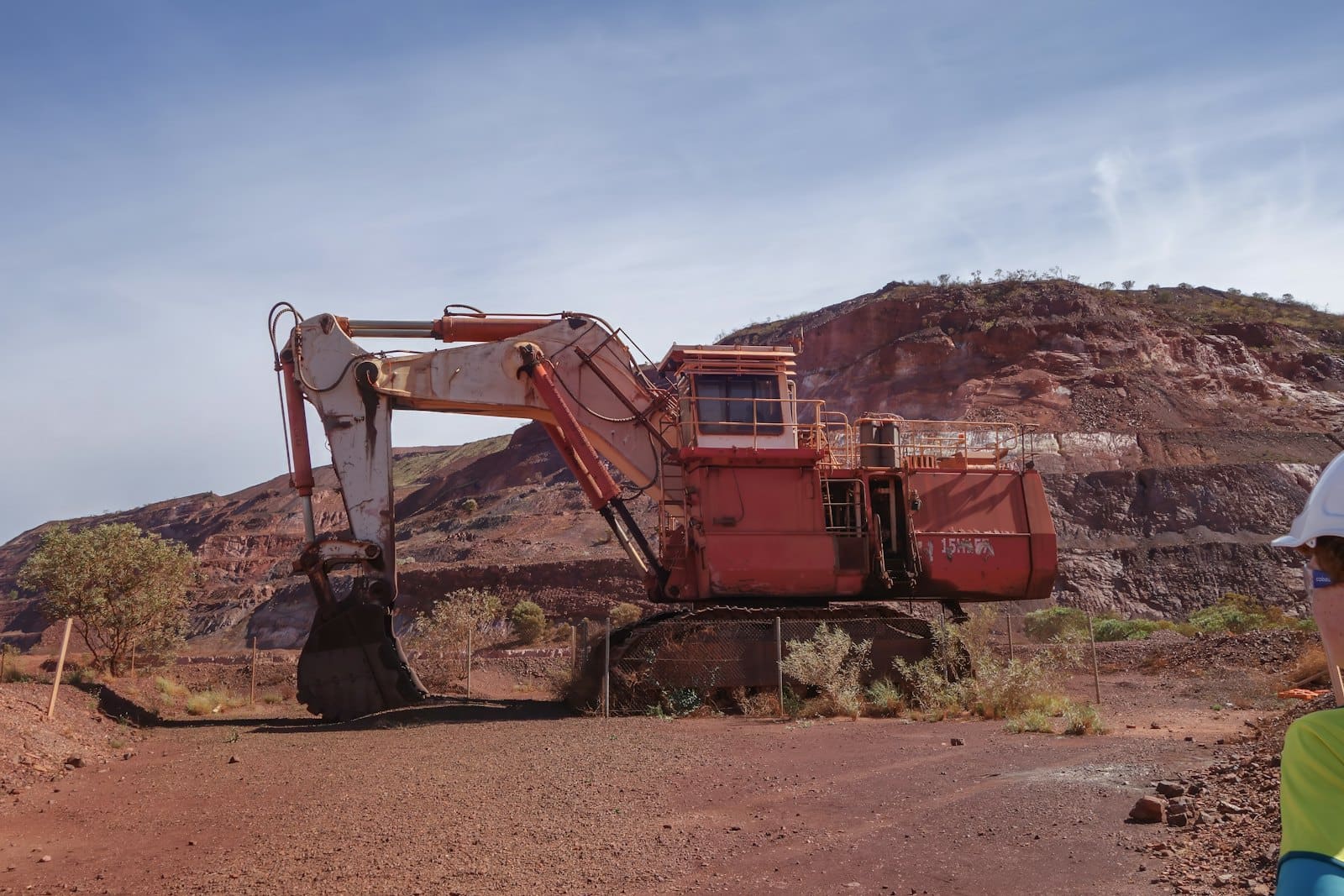 Photo by snap wander on Unsplash
What eats up your team’s time today
go into a single tender package. Contractor bids arrive in different formats, and the team compares them by hand.
Drawings and specs change, but a contractor keeps working from an old version. The mismatch surfaces on site, and it costs money.
go every month into checking completion certificates, quantities and contractor invoices against the contract and schedule by hand.
to pull together the picture for shareholders from Excel files, logs and messengers. By the time the report is ready, it’s already out of date.
of mining companies adopt digital technology selectively: where the impact is obvious and pays back within two years.
We work the same way: one process at a time
One process, a fixed price, before-and-after numbers. The next step starts only once the previous one has paid off.
The earlier you start, the more you get out of it: data collected during construction and start-up becomes the foundation for AI advisors and digital twins later on. But you can start at any stage.
One process: before and after
During construction, comparing contractor bids is most often the first process we automate.
17 processes we take the manual work out of
Contractor bid comparison
All bids are brought into a single table. The system shows what’s included and what’s missing, and calculates deviations from the estimate.Document revision control
Drawings, specifications and contracts are cross-checked. Mismatches are flagged before they reach the site.Incoming certificates and invoices
Data is extracted, checked against the contract and schedule, and queued for signature with notes on what doesn’t match.Site reports
Photos, voice notes and messages from site foremen turn into a work log, an issue register and a weekly report.Procurement and logistics
Delivery dates are tracked, equipment specs are checked against orders, and critical-path reminders go out on time.Plant and lab database
Test logs and operating data are collected into a single structure, so you can analyze them instead of hunting for them. This is the foundation for future AI advisors.Finding correlations and anomalies
Which operating modes give the best recovery, where the process drifts off target, early warning of deviations. Ask the data questions in plain language, with no analyst in between.Geological and drilling data
Sample QA/QC, reconciliation of assay databases and data preparation for resource models.Equipment maintenance
Downtime and repair logs turn into a forecast of which equipment will need attention next.Incident reports and work permits
Filling in, completeness checks and a site summary, with no retyping by hand.Environmental monitoring and reporting
Measurement data is collected automatically. Reports to regulators and investors are built on it, not on email threads.Budget vs. actual
Spending is reconciled with the project budget every day. Variances show up immediately, not at the end of the quarter.Shareholder report
Construction progress, budget, plant results and risks are compiled into a report automatically every month.Investor materials and due diligence
Draft sections built from working data, plus checks that the numbers match across sections.Ask your project documents
An engineer asks a question, and the system answers with a link to the right drawing, contract or minutes. Thousands of documents, an answer in seconds.Translation for multilingual teams
Technical documents and correspondence with contractors and suppliers in Russian, English, Kazakh and Chinese, with terminology kept intact.Research and patent search
For projects with new process flowsheets: summaries of comparable cases instead of days of reading. Photo by Wolfgang Weiser on Unsplash
The system doesn’t just collect documents. It cross-checks them and flags mismatches.
Every step pays for itself
Assessment
2 weeksWe study how documents and data actually flow on your project. We come back with the five processes that involve the most manual work: estimated hours before and after, cost and rollout order.
Pilot
4 weeksOne process from the list, at a fixed price agreed before we start. You get working automation and the numbers: how many hours and how much money it frees up per year.
Scaling up
same cycleThe next processes go through the same cycle, and each step pays for itself. Everything we build stays with you and runs without us.
Your data never leaves your perimeter
Everything is deployed on your servers or in your cloud. That’s a basic condition of how we work, not an add-on.
IT-m has been building and deploying B2B systems since 2014

12 years of deploying B2B systems. Certified Claude Code developer.

Frequently asked questions
Platforms sell multi-year solutions and need years of accumulated data. We take one process and automate it in weeks, whether you’re building, starting up or already operating. If there isn’t much data yet, we start with documents and contractors and collect the data into a clean database that can later be handed over to any platform.
Nowhere. The system runs inside your perimeter. Access control and the activity log stay with you.
No. The assessment and rollout are done remotely, with site visits when needed. You can pay through whichever legal entity suits you.
You lose only the cost of the pilot. The before-and-after numbers are written into the contract, and the decision on the next step is yours.
Yes, but only once the data is in a database. Models don’t work on scattered data, and we don’t promise what won’t happen. Database first, models second.
With one process where the impact shows within weeks. During construction, that’s most often contractor bid comparison, incoming certificates or site reports; on an operating site, a summary of plant and lab data or the shareholder report. The trust earned by the first result carries over to everything else.
The assessment has a fixed price. We quote the pilot once the assessment is done, so nobody has to guess.
A 30-minute call
We’ll look at where you have the most manual work and tell you honestly what’s worth automating first.
Book a call